ECG Denoising, QRS Detection, and Signal-Quality Testbench
Non-diagnostic synthetic testbench for configurable filtering, explainable QRS timing, robustness sweeps, and failure analysis.
Executed simulation
Automated test
Problem statement
Measure how filter bandwidth and detector sensitivity trade morphology preservation against robust beat timing under baseline drift, mains interference, broadband noise, motion-like contamination, and impulses.
A fixed-seed DSP experiment that injects controlled artifacts, compares two processing chains, and evaluates denoising and one-to-one detection metrics across 80 synthetic conditions.
80
Synthetic conditions
Five SNRs × four artifact sets × two mains frequencies × two configurations
0.9898
Mean aggressive F1
Synthetic one-to-one QRS detection only
0.8947
Worst aggressive F1
Lowest result across the fixed synthetic sweep
0.90 ms
Mean timing error
Aggressive configuration; synthetic reference peaks
Project scope
Deterministic 30-second, 250 Hz synthetic ECG with 35 known reference beats
Five input-SNR targets, four artifact selections, 50/60 Hz mains, and two processing configurations
Zero-phase offline filtering, derivative-square-integrate detection, RR metrics, and heuristic SQI
Educational, non-diagnostic study; no patient or public-record performance result is claimed
System or processing architecture
A synthetic generator provides the clean reference and exact event times. Controlled noise injection feeds configurable notch and Butterworth band-pass stages, optional smoothing, and an explainable QRS detector. A metric layer performs one-to-one peak matching, denoising comparisons, timing error, and signal-quality scoring.
My engineering contributions
Implemented deterministic ECG synthesis and controlled baseline, mains, motion-like, impulse, and broadband noise injection.
Built stable configurable filters with zero-phase and causal execution paths.
Implemented an inspectable derivative-square-integrate detector with refractory and peak-refinement logic.
Designed the 80-condition sweep, one-to-one metrics, failure-case visualization, workbook, notebook, and tests.
Important design decisions
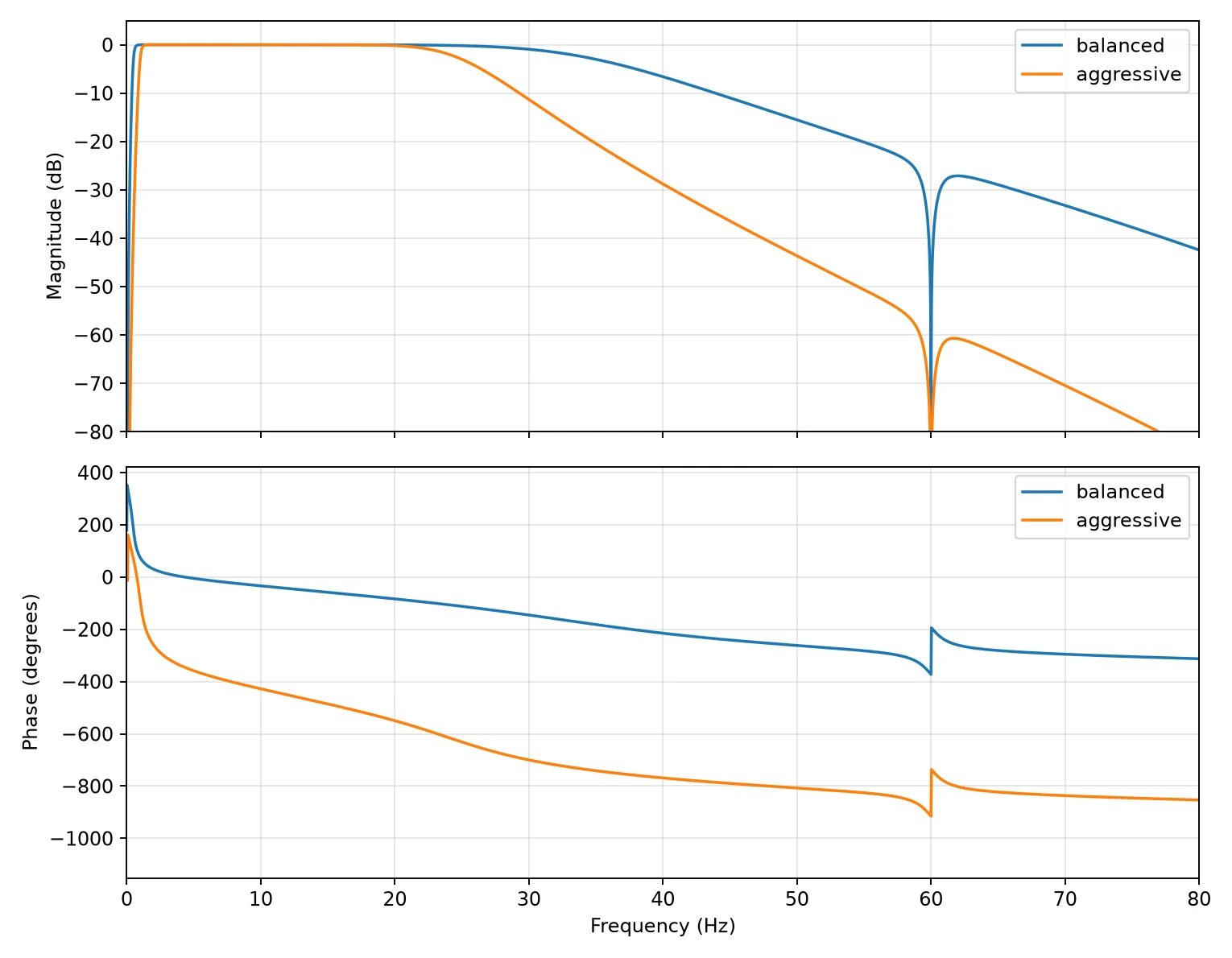
Compared a balanced 0.5-35 Hz chain with a narrower aggressive 1-25 Hz chain instead of optimizing a single favorable configuration.
Used exact synthetic reference peaks to make precision, recall, F1, and timing error auditable.
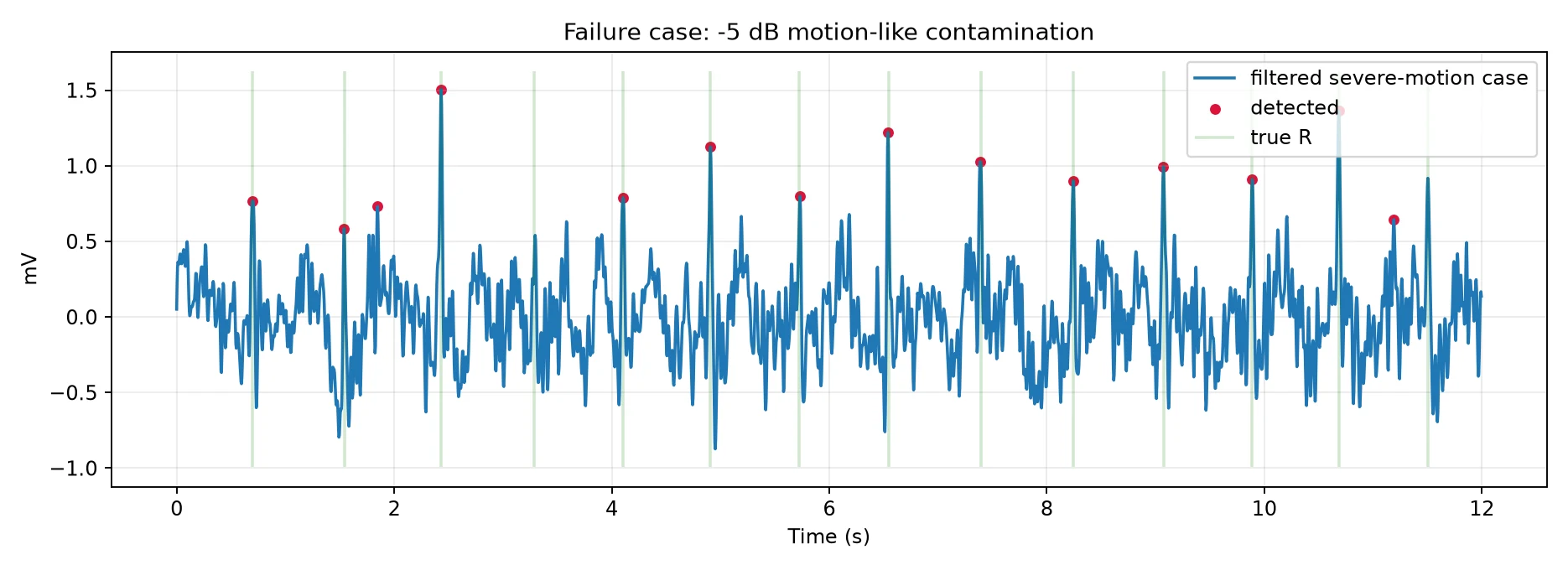
Published a severe-motion failure case and kept public MIT-BIH evaluation separate until actually executed.
Engineering methods
DC removal, selectable 50/60 Hz notch, and SOS Butterworth band-pass filtering
Derivative, squaring, moving integration, robust thresholding, and refractory enforcement
One-to-one event matching within a 100 ms tolerance
SNR, RMSE, RR, heart-rate, timing, and heuristic SQI calculations
Fixed-seed factorial robustness sweep and explicit failure-case review
Selected evidence
Readable results, with context
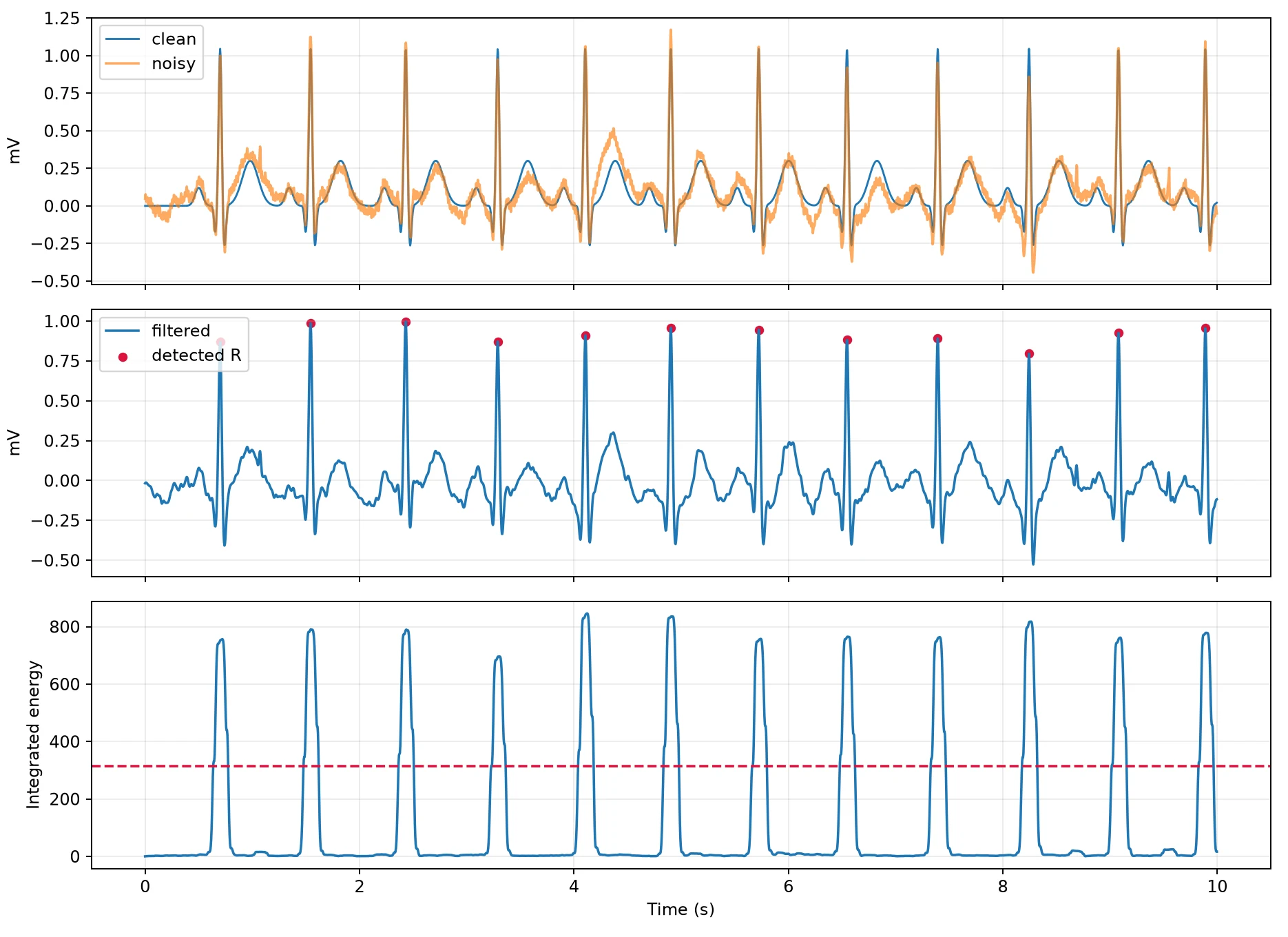
Figure 1Representative 60 Hz, 10 dB synthetic condition showing the signal path and detected events.
Figure 2The aggressive chain trades retained bandwidth for stronger timing robustness in the synthetic sweep.
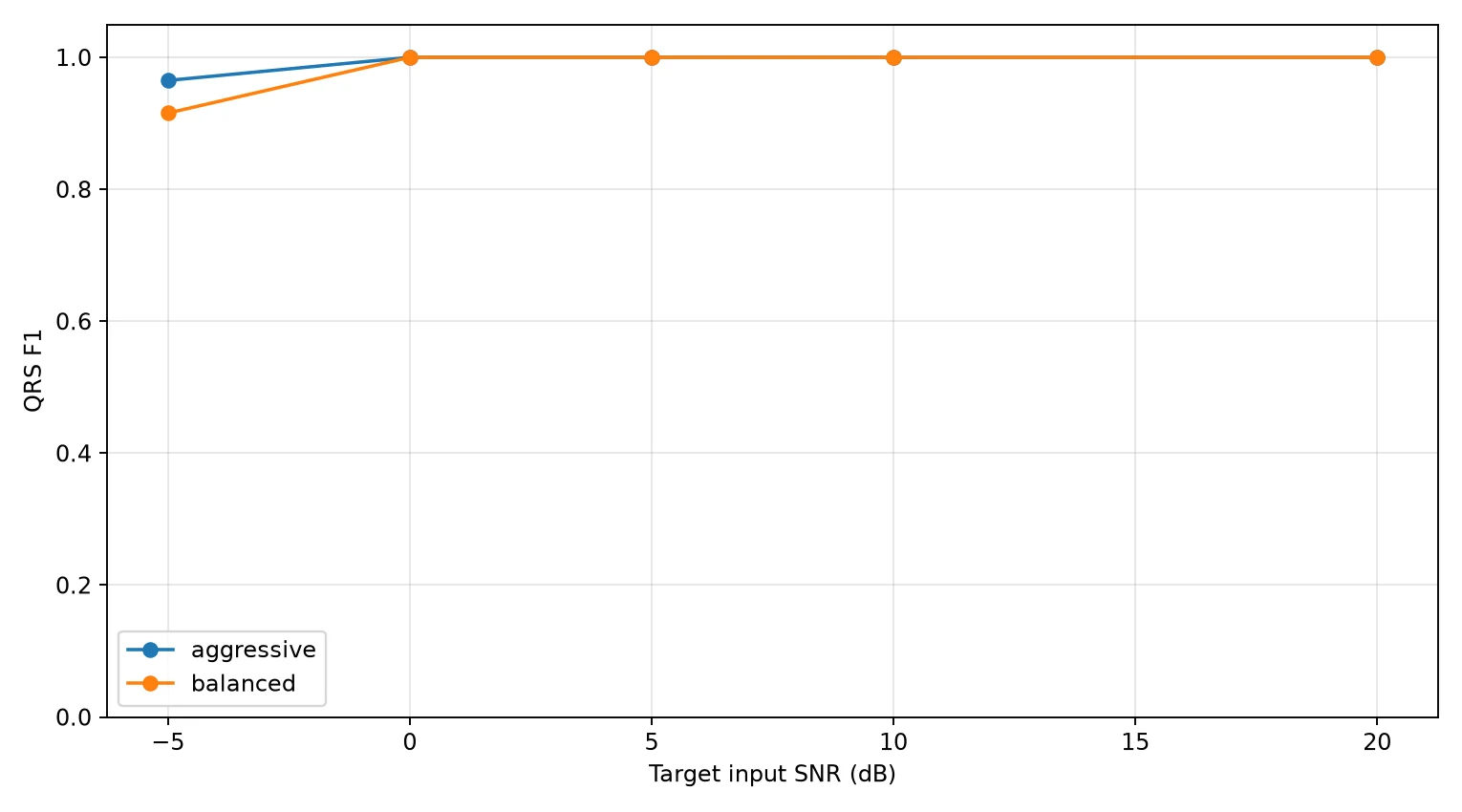
Figure 3Fixed-seed robustness comparison across the all-artifact synthetic cases.
Figure 4Published failure case: motion-like slopes can create false detections and obscure true peaks.
Verification and testing
Tests check filter stability, output length and finiteness, random-seed reproducibility, invalid cutoffs, and detection on a known signal.
The run manifest records seed 20260922, 250 Hz sampling, 30-second duration, 35 clean beats, and 80 result rows.
CSV and workbook summaries are produced directly from the experiment table.
Filter-response, waveform, robustness, and failure figures preserve the synthetic and non-diagnostic context.
Honest limitations
All published performance values come from a synthetic generator, not patient recordings or a clinical study.
Zero-phase filtering uses future samples and is suitable for offline analysis, not direct real-time deployment.
The heuristic SQI is transparent but not clinically validated.
Public-record evaluation, causal-delay characterization, diverse morphology, and device-level acquisition remain future work.